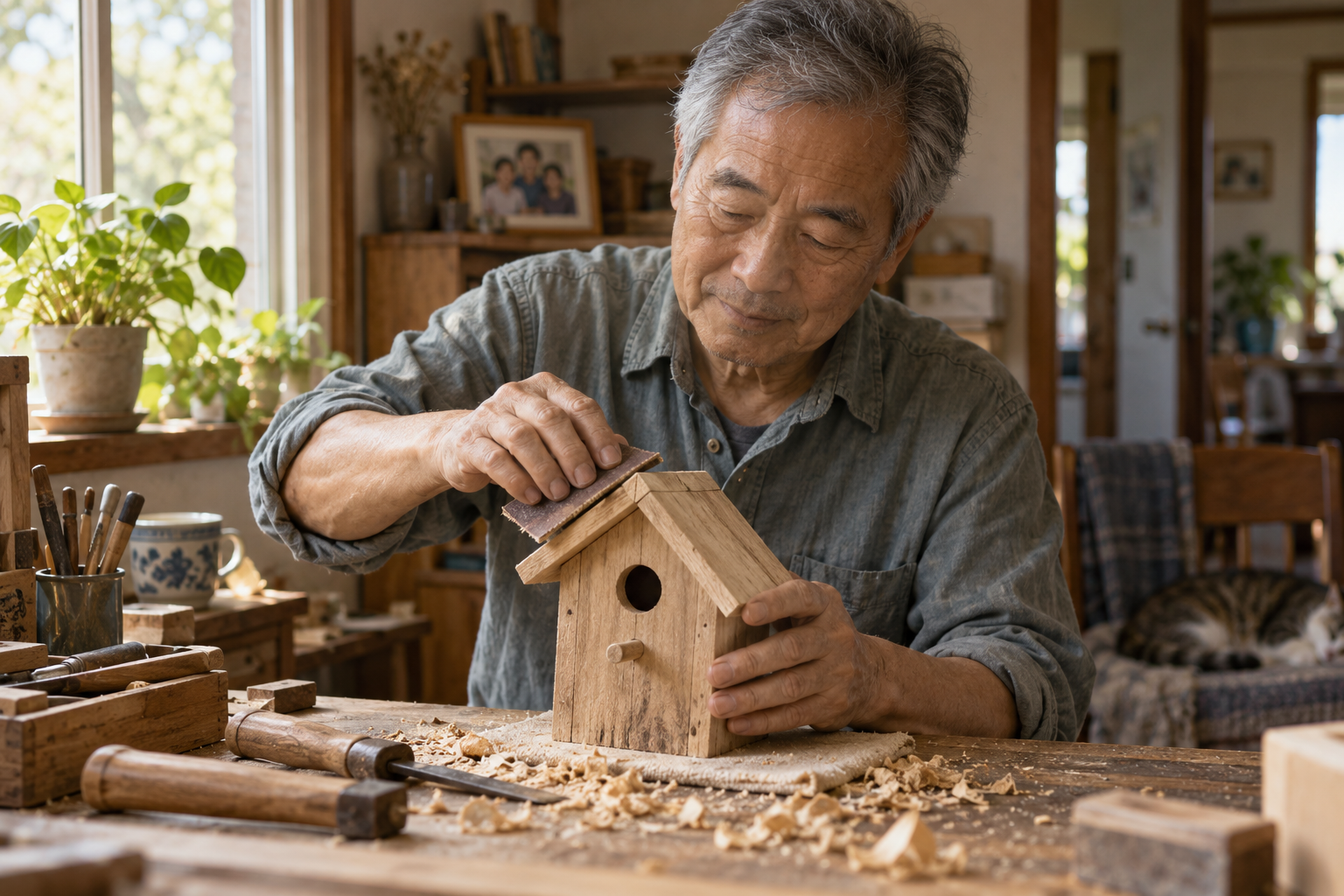
A gentle invitation to notice what matters to you
A question about meaning can sound enormous: What am I here to do? It can also begin much closer to home. What matters in the way you spend time, care for people, create, learn, worship, rest or contribute? There may not be one answer, and it can change through different seasons of life.
The World Health Organization includes a sense of meaning and purpose in its broad view of wellbeing, while recognizing that social, economic and environmental conditions shape people’s lives. Meaning is not a task to complete in isolation. This guide offers questions you may use or leave, without assuming a particular faith, culture or definition of a good life.
Notice moments that feel worthwhile
Think of a recent moment that felt worth your attention. It might have been helping someone, making something, learning a skill, taking part in a tradition, feeling at ease outdoors, or sharing a quiet conversation. What about that moment mattered? The answer may be the connection, the care, the curiosity or the freedom to choose.
You do not need to turn every pleasant moment into a lesson. Some meaningful experiences are ordinary, mixed with fatigue or grief, or only understood later. If no example comes easily, that is not evidence that your life lacks value.
Let your values be specific
Values can help name how you want to relate to others and to yourself. You might value honesty, service, creativity, belonging, faith, learning, justice, steadiness or something else entirely. Consider which value feels present in your life now and which one you wish had more room. There is no prescribed list to pass.
The National Institutes of Health suggests exploring your beliefs about meaning and purpose and thinking about the principles important to you. That is an invitation to reflect, not proof that one exercise will change your health. A small action might be chosen because it fits a value, such as making time for a relationship or returning to a creative practice.
Make room for different sources of meaning
For some people, faith, prayer, worship or a spiritual tradition is central. For others, meaning is found through family, community, nature, work, art, service or private reflection. Some draw from several sources. Whole & Steady does not ask you to adopt a belief or to set one aside in order to use this guide.
The people and practices that matter to you should be approached with respect. An invitation to reflect is not a reason to borrow another community’s ritual as a quick wellness technique, and it is not a substitute for guidance from a tradition or community to which you belong.
Keep meaning from becoming another demand
Purpose can be useful language, but it can also feel heavy if it becomes a demand to make every hour productive. Caring for someone, earning a living, recovering from illness or simply getting through a difficult period may leave little space for an elaborate project. You are allowed to value rest and receive care as well as offer it.
It may help to ask a smaller question: What is one thing I want to protect or make room for this week? If circumstances do not allow it, notice the obstacle without blaming yourself. Meaning and material conditions can both matter. No reflection prompt can remove financial pressure, discrimination or a lack of support.
Let the answer change
What feels meaningful may shift after a loss, move, change in health, new relationship or new responsibility. You can revisit the question without treating an earlier answer as a mistake. Some days call for curiosity; others call for help or time without a question at all.
If thoughts about meaning become tangled with persistent distress, hopelessness or difficulty functioning, speak with a qualified mental-health or health professional or someone you trust. This article cannot assess your situation or replace individual care.
Continue exploring
For a broader starting point, read “Where to Begin With Your Wellbeing.”