Resilience is often used as a compliment: someone kept going through a hard time. But the word can become unfair when it suggests that a person should absorb any pressure, feel fine, or recover on schedule. Research offers a more careful picture. It looks at adaptation in the face of adversity over time, while recognizing that definitions, situations and available support differ. [1]
What researchers mean by resilience
There is no single definition used in every study. In an interdisciplinary discussion, researchers described resilience in several ways, often involving adaptive functioning over time after adversity. The definition depends partly on what kind of adversity, what outcome and what period a study examines. [1]
For example, research on disasters describes different patterns of mental health over time, including relatively stable functioning and patterns of difficulty followed by improvement. Those patterns are descriptions of groups in particular studies, not a way to predict an individual’s future from one difficult week. A recent review notes that known correlates have limited power to predict who will follow a resilient trajectory. [2]
Resilience does not mean feeling nothing
A person can be upset, need rest, ask for help or have a difficult period without having failed at resilience. Adaptation is not the same as constant calm. The idea that everyone must quickly ‘bounce back’ can also obscure recovery, which may follow a different course. [1][3]
Nor is adversity a required lesson or a guaranteed route to growth. People do not owe anyone a positive story about hardship. This is an editorial implication of the research’s varied definitions and trajectories, not a claim that one study tested the slogan. [1][2]
People need conditions and support
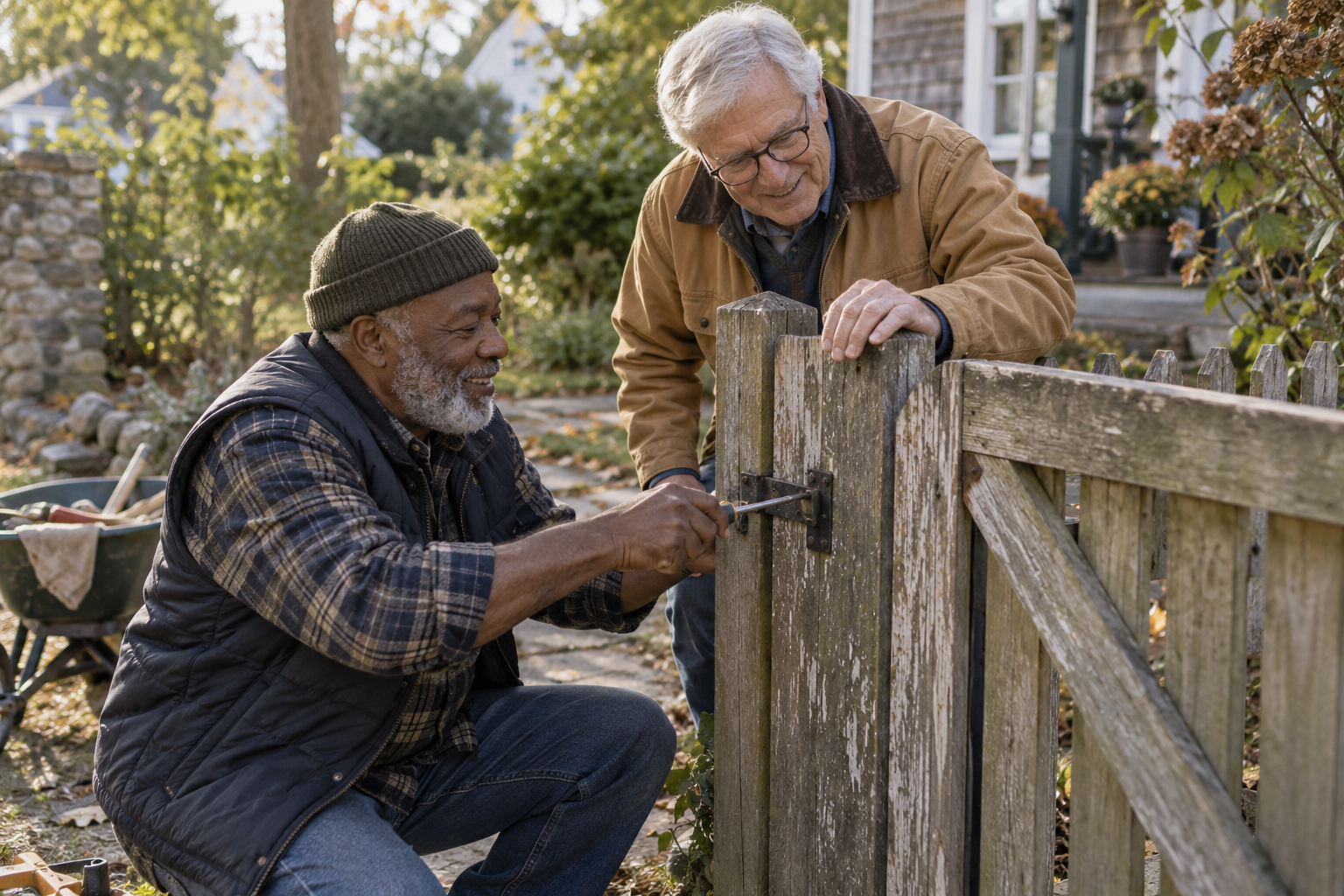
Resilience is sometimes described as if it lives entirely inside a person. A social-ecological research account instead emphasizes the resources and opportunities available in a person’s social and physical surroundings. Access to safety, relationships, services, time and material support can shape what adaptation is possible. [4]
That perspective matters when a demand is ongoing. Asking someone to be more resilient cannot, by itself, repair unsafe conditions, an unreasonable workload or missing support. It is reasonable to look both at what a person can do and at what needs to change around them. [4]
Using the word with care
If ‘resilience’ helps you name a way you have adapted, you can use it. You might also ask: What helped me through this? What is still difficult? What support or change would help now? These questions leave room for uncertainty and for other people to share responsibility.
If distress is persistent, worsening or interferes with daily life, a qualified health professional can help assess what support is appropriate. Seeking care is compatible with resilience. If you may harm yourself or someone else or face immediate danger, seek appropriate local emergency or crisis help now. Whole & Steady provides education, not diagnosis, treatment or urgent response. [5]
A more useful takeaway
Resilience can describe adaptation after difficulty. It cannot tell you how a particular person should feel, how quickly they should recover, or whether they have enough support. The most useful question may be what helps people and communities adapt while reducing the pressures that can be changed. [1][4]
Related reading
Sources
- Southwick and colleagues, Resilience Definitions, Theory, and Challenges: Interdisciplinary Perspectives.
- Bonanno and colleagues, Resilience and Disaster: Flexible Adaptation in the Face of Uncertain Threat.
- American Psychological Association, Building Your Resilience.
- Ungar, The Social Ecology of Resilience.
- National Institute of Mental Health, Caring for Your Mental Health.